

Baronage of Scotland
Association
The ancient nobility of Scotland — verified, recorded, and preserved for future generations.
The Baronage
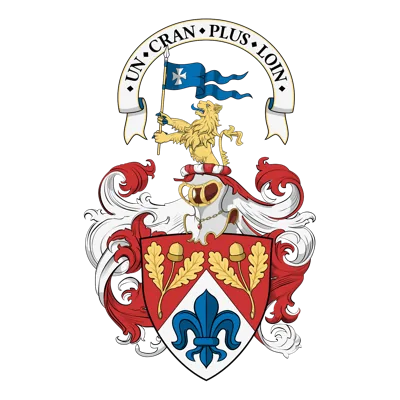
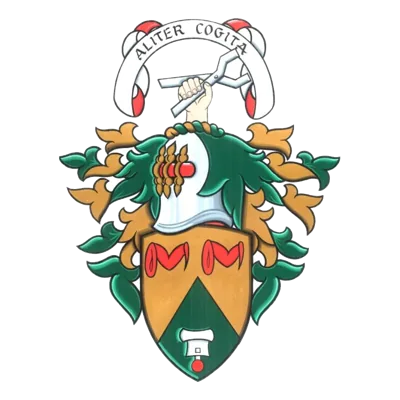
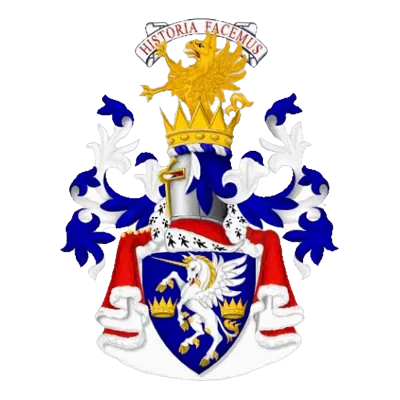
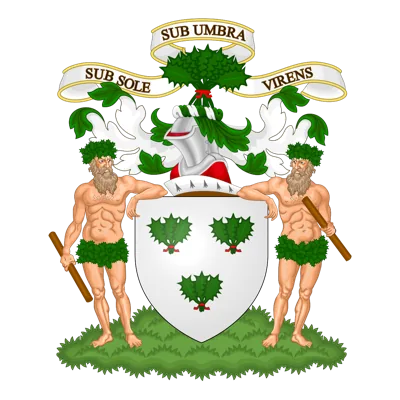
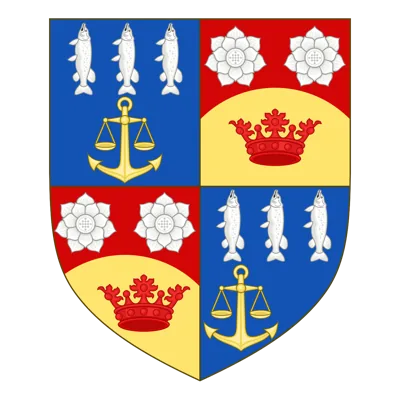
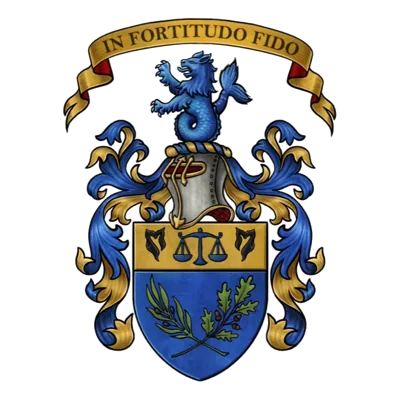
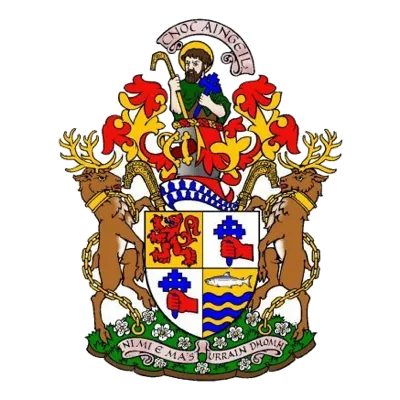
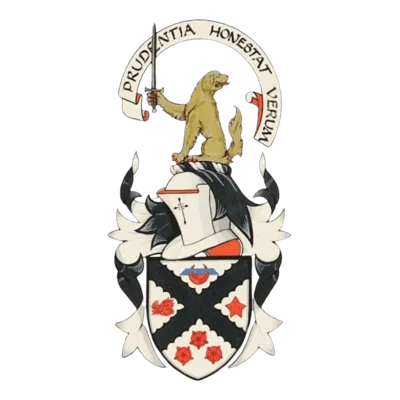
A selection of supporters
From the Roll of Scottish Barons.
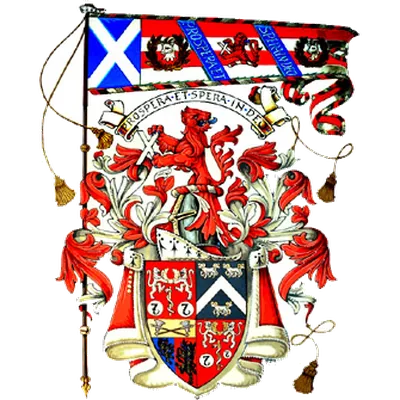
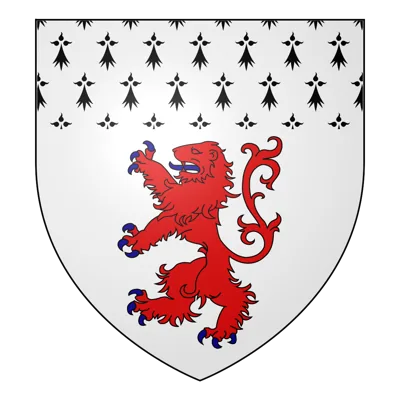
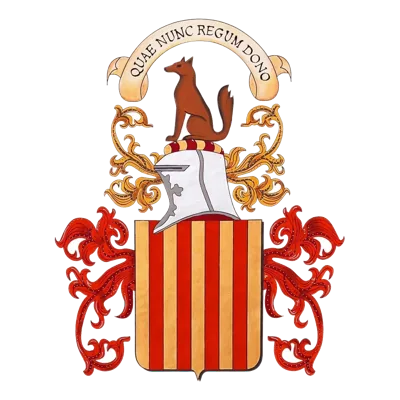
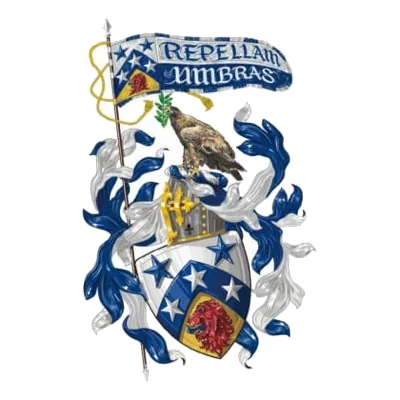
An Ancient Dignity
Predating the peerage itself
In Scotland, the title “Baron” or “Baroness” is a rank of the ancient nobility of the Baronage of Scotland. The Scottish baronage, predating the peerage, remains a distinguished part of our noble heritage today, recognised in the nobiliary court and the Court of Session as titled nobility, and affirmed in Lord Clyde’s 1992 dictum as heritable titles of honour and for their “noble quality” and former parliamentary rights. Their noble status is further enshrined by the institutional writers, including Sir Thomas Craig, Lord Stair, and Bankton.
Since the feudal aspects of baronies were abolished in 2004, special legal provisions ensured the dignity of baron was retained as a non-territorial, floating dignity, protected in Scots law and recognised within UK legal frameworks, including its continued ennoblement as noted in the Scottish Law Commission report for the Scottish Parliament. The “Baron of X” as a title of nobility is the holder’s name and identity, legally recognised and eligible in British passports and official documents.
Notably, the heir to the British throne, Prince William, holds the baronage titles Lord of the Isles and Baron of Renfrew, underscoring the prestige of the baronial tradition. Around thirty Scottish clan chiefs are also barons, with titles and histories rooted deep in antiquity. In an age where personal identity and chosen forms of address are widely respected, honouring a historic title — rooted in centuries of tradition and legal standing — preserves our shared national heritage, and ensures the contributions of past generations are not forgotten.
Fundamental to the Roll
Non-recognition of unverified titles
Inclusion on the Roll is voluntary but requires adherence to rigorous criteria — only dignities with proven legitimacy are recognised. Non-recognition of unverified titles is fundamental.
Cooperating organisations and Barons agree to
- Not recognise the title, honour, rank, and status “baron of” (or higher dignity) for unverified holders.
- It is recommended that organisations do not recognise a title not verified on the Roll.
What We Maintain
Three pillars of the Association
The work entrusted to an honourable body.
Recognised in Law
Recognised in the nobiliary court and the Court of Session as “titled nobility.”Court of the Lord Lyon · 1943
A Thousand Years
Defenders of Scottish sovereignty
Scottish barons held their lands directly from the Crown and stood as key defenders of Scotland’s independence. Today the dignity endures as a non-territorial title of honour, protected in Scots law.
- 1320
- Barons seal the Declaration of Arbroath
- 1707
- Sat among the Three Estates until the Union
- 2000
- Dignity preserved in law by the Scotland Act
- 2004
- Titles become non-territorial personal dignities
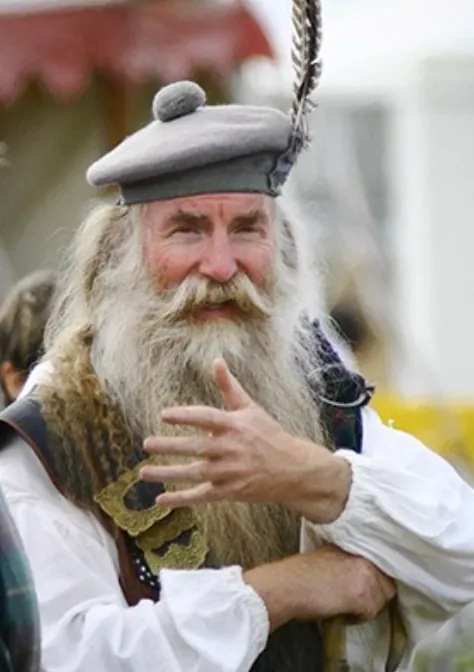
Featured Baron
The Baron of Ardblair and Gask
Each season we honour a member of the baronage whose stewardship exemplifies the Baronial Code — service, integrity and the preservation of heritage. Their title, like all upon the Roll, is recorded with accuracy and legal precision.